
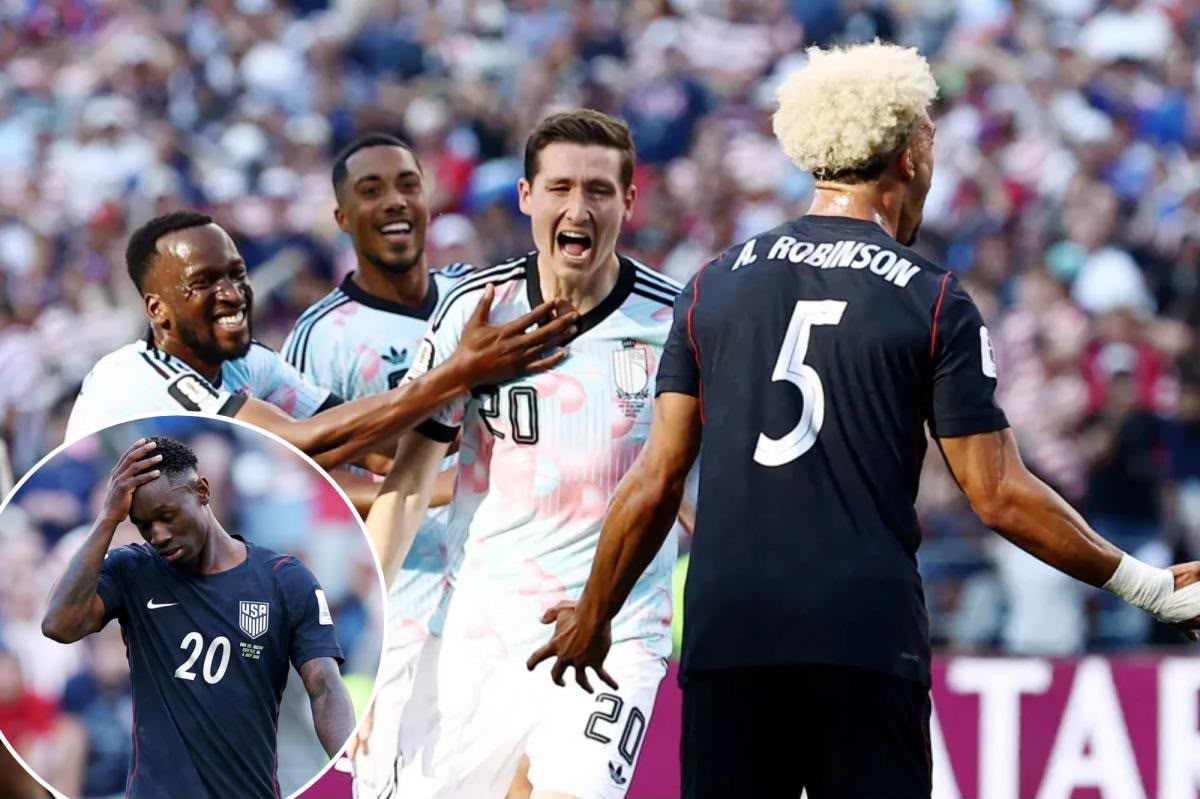

FIFA’s Balogun Controversy: A Decision That Overshadowed the United States’ World Cup Exit.
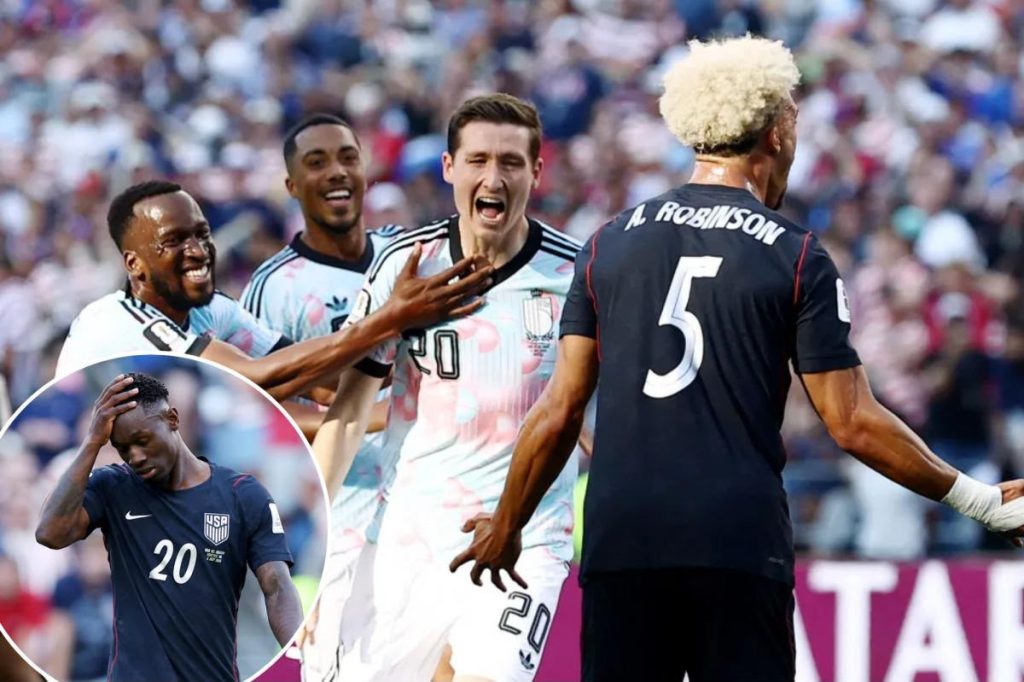
The 2026 FIFA World Cup has delivered its fair share of drama, excitement and controversy, but few decisions generated as much debate as FIFA’s handling of Folarin Balogun’s suspension.
Before the United States’ Round of 32 clash against Belgium, FIFA announced that Balogun would not serve the automatic one-match suspension normally associated with a straight red card. The decision came after the striker was sent off during the Americans’ victory over Bosnia & Herzegovina for a challenge on Tarik Muharemovic that officials deemed dangerous despite appearing unintentional.
The ruling immediately sparked outrage among fans, pundits and rival supporters. Critics argued that FIFA had once again demonstrated inconsistency in applying its disciplinary regulations. For many observers, the issue was not whether Balogun intended to injure his opponent, but whether the governing body was willing to enforce its own rules equally for every nation.
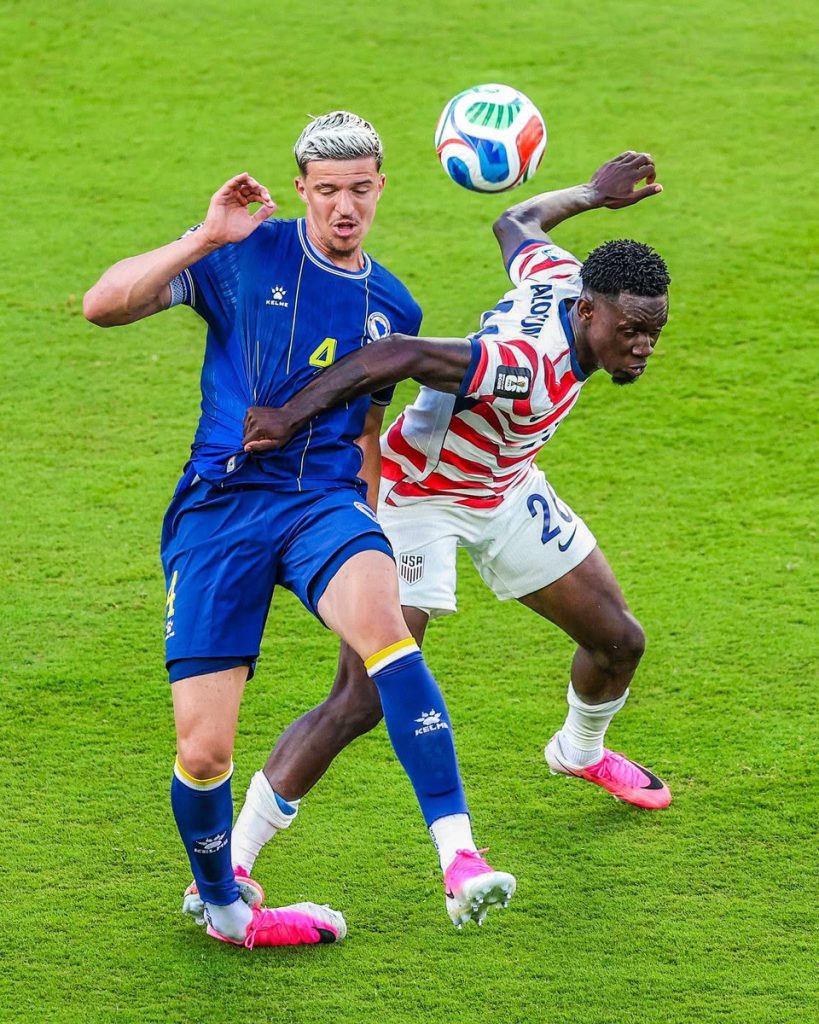
The controversy grew because FIFA has historically taken a strict stance on straight red cards at major tournaments. Automatic suspensions have long been viewed as a fundamental part of maintaining discipline and fairness. By overturning what many expected to be a routine ban, FIFA opened itself up to accusations of favouritism and selective enforcement.
In the days leading up to the Belgium match, discussion about tactics, team selections and the actual football took a back seat. Instead, attention centred on FIFA’s decision-making process and whether the United States had been given special treatment. The tournament had already faced criticism over several contentious issues, and the Balogun case became another example cited by those who believe football’s governing body lacks transparency and consistency.
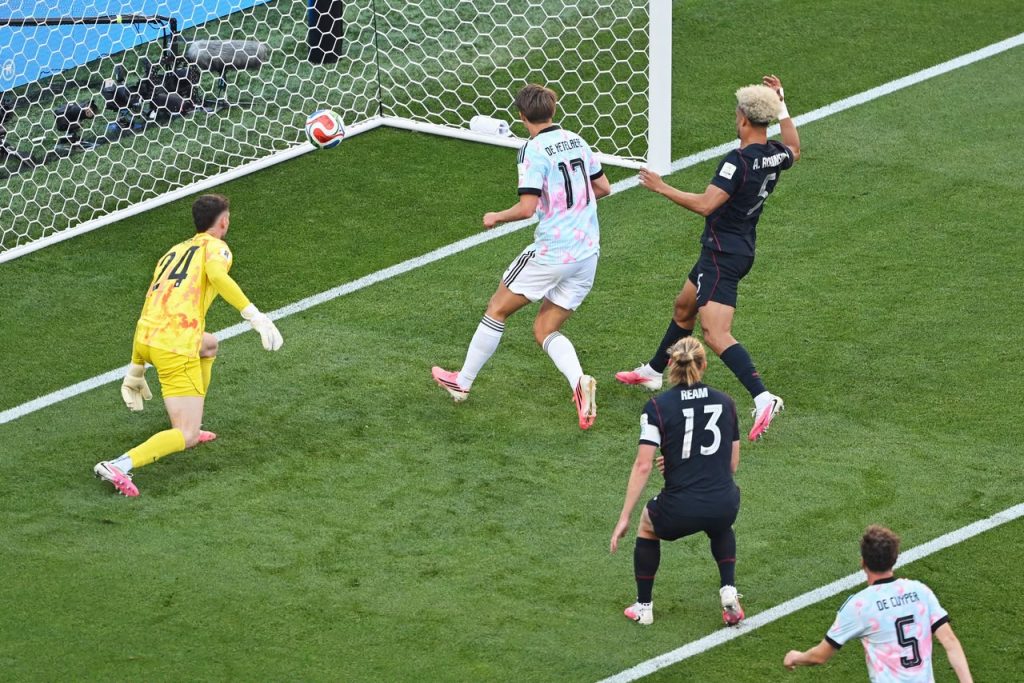
Ironically, the decision ultimately had little impact on the outcome. Balogun started against Belgium but failed to make a decisive contribution before being substituted in the second half. Belgium produced a dominant performance and secured a convincing 4-1 victory, ending the United States’ World Cup campaign.
That result significantly changed the narrative. Had Balogun inspired an American victory, the controversy would likely have intensified and remained a defining talking point of the tournament. Instead, Belgium’s comprehensive win ensured that questions about FIFA’s ruling were overshadowed by the clear superiority of the Belgian side on the pitch.
However, the wider concerns remain valid. The issue was never solely about whether Balogun could influence one match. It was about the principle of equal treatment. Sporting competitions rely on trust in the rules and confidence that those rules will be applied consistently. Whenever exceptions appear to be made without clear and convincing justification, that trust is weakened.
For the United States, the tournament ended with disappointment. For Belgium, it was a statement victory that underlined their credentials as serious contenders. For FIFA, though, the Balogun saga represents another unnecessary controversy that could have been avoided through greater transparency and consistency.
The lesson from this episode is simple: football can survive controversial decisions, but repeated questions about fairness and governance gradually erode confidence in the competition itself. Belgium settled the football debate on the field. The questions surrounding FIFA’s handling of Balogun’s suspension, however, are likely to linger long after the final whistle.